No products in the cart.
Woodworking Router Bits
Shop router bits by the operation you need: edge profiling, trimming, grooving, joinery, panel work, cabinet doors or CNC routing. Start with the application, then compare shank size, cutting diameter, cutting length, bearing style and machine compatibility.
Choose by application
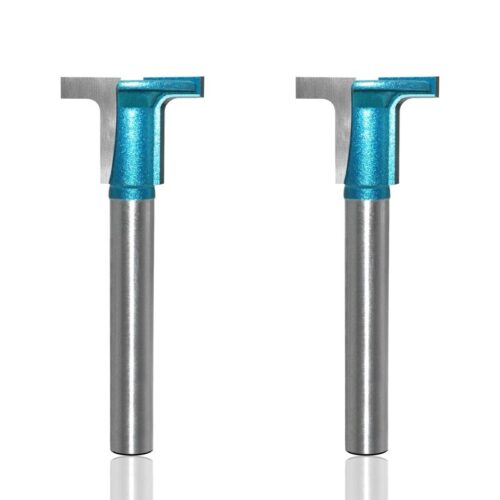
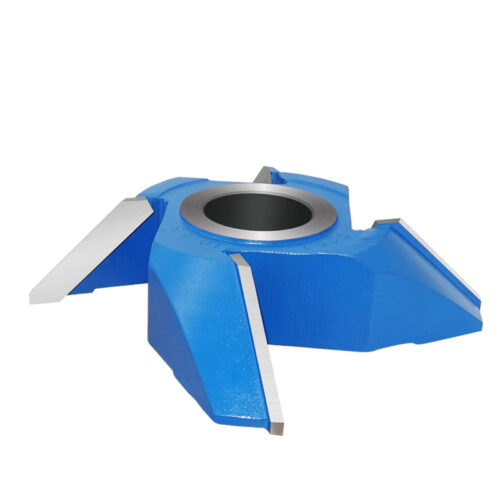
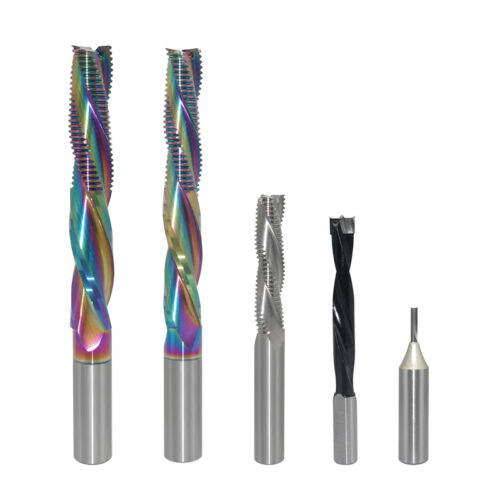
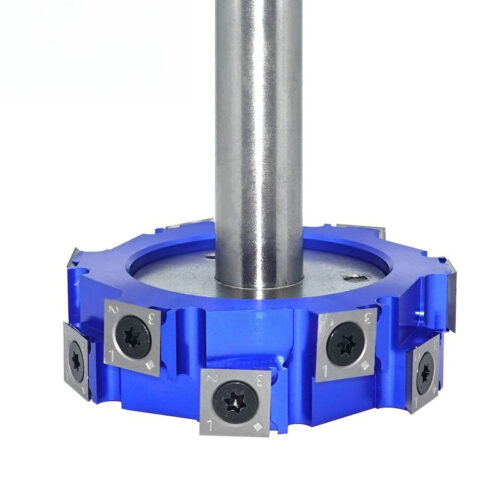
For edge work, browse edge profile router bits, chamfer and bevel bits or flush trim router bits. For slots and joinery, compare grooving and slotting bits and joinery router bits. CNC users can browse CNC router bits and end mills.
Quick selection checklist
Shank: match the bit to the collet or holder; 1/4 in, 1/2 in, 6 mm, 8 mm and 12 mm are not interchangeable.
Cut: compare cutting diameter, cutting length, profile and required depth against the drawing or finished part.
Machine: confirm router, router-table or CNC clearance, spindle capacity and workholding.
Material: check the product notes for wood, MDF, plywood, laminate or other board before ordering.
Before you order
Match the bit to the machine and material, then make a test cut in similar scrap. A larger shank and stable setup can be useful for larger-diameter profiles, but the correct choice depends on the machine, tool geometry and cut depth. If you are unsure, send the product link, machine model, material and required dimensions to sales@bitsrouter.com.
Common questions
Should I choose by shank size first? Yes. A bit that does not match the collet or holder cannot be used safely, even if the profile is correct.
Can one bit replace every profile? No. Cutting diameter, bearing position, flute or tooth geometry and depth determine the result; use the product specification for the intended operation.
What should I test before production? Test the fit, depth, surface finish, chip clearance and machine stability in matching scrap before routing a visible or repeat part.
For practical setup guidance, read the router bit types and uses guide and the router bit speed chart.